Table of Contents
Choosing the right retreat in Rishikesh depends on what you want from the experience, how much time you have, and which practices genuinely suit your needs. Before you book, consider the emphasis of the retreat, the expertise and qualifications of the teachers or facilitators, the daily program, the size of the groups, the location, the lodging and what is included.
A yoga retreat would be well suited to someone searching for movement and meditation, while a wellness or women’s retreat might have a broader mix of rest, sound healing, introspection and community.
Rishikesh has everything from traditional ashram-style programs to more structured health retreats, so there’s no perfect pick but there is a most expensive or most popular one. It is the retreat that speaks to what you are seeking for.
Why Rishikesh is gaining popularity as a retreat destination
Rishikesh has always been the hub for yoga, meditation and spiritual pursuits. The city is located on the banks of the Ganga and is bordered by the foothills of the Himalayas, creating an ambiance for the guests to take a break from their daily activities and spend some quality time with themselves.
This is also why a women’s retreat in Rishikesh can be a comfortable way to slow down, reconnect with yourself, and experience wellness in a supportive environment.
A retreat can give you a rhythm to your day with yoga in the morning, meditation, mindful meals, wellness activities and time to rest. Depending on the program, you may also have nature hikes, cultural activities, sound healing or group circles.
When a Retreat Might Be What You Need
If you want more than a conventional holiday, a few days to slow down, move away from a demanding schedule, build a yoga or meditation practice, spend time in reflection, or investigate disciplines such as sound healing, then a Rishikesh retreat can be a fantastic choice. Some want the space to relax and enjoy Rishikesh at a slower pace, others like to meet individuals with similar interests.
And you don’t have to be a yoga master either. Many retreats are suited for novices, while some follow a more intensive program. The trick is to understand the program before you book so you know if its speed, practices and setting are the correct fit for you.
Not Every Retreat Is the Same
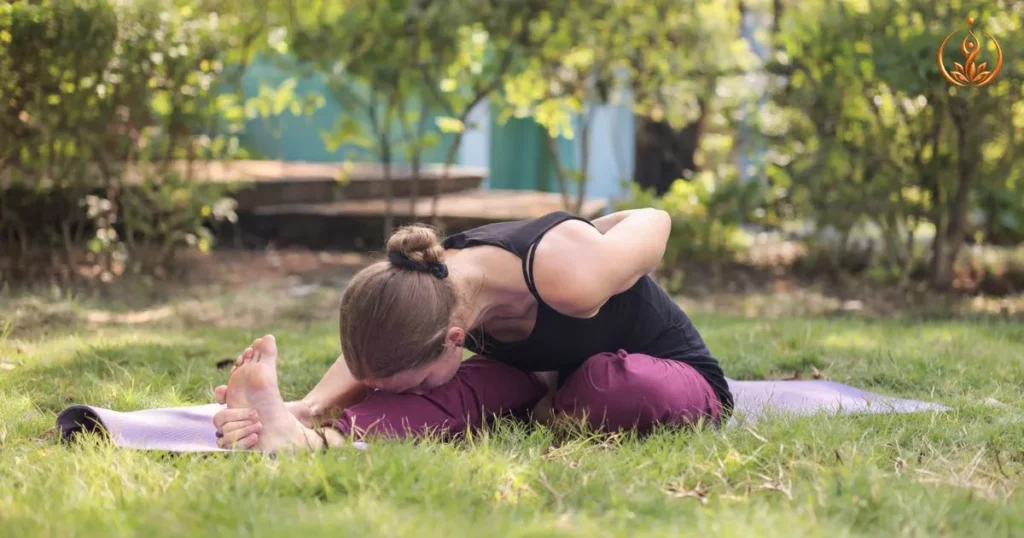
Not every retreat in Rishikesh is for the same reason. Some focus on yoga and movement, others lean more toward meditation, Ayurveda, sound healing, spiritual practices or overall welfare. So can the length, the daily program, the group size, the lodging, the quality of guidance.
And that difference is important, since a retreat that is great for someone looking for serious yoga practice may not be the appropriate decision if you’re someone who just wants a few calm days away from a hectic lifestyle.
A smart place to start is to know what you want out of the experience before you start comparing different retreats.
Different techniques, different experiences
- Yoga retreats – these are often best for those who want asanas, pranayama, meditation and related practices to be set for them.
- Meditation retreats – might have a gentler schedule, with more focus on stillness and reflection.
- Wellness retreats – frequently mix a number of methods including yoga, meditation, sound healing, mindful activities and rest.
- Women’s retreats — establish a space for women to interact, learn, and share experiences in a setting dedicated to women’s wellness.
- Ayurveda retreats – are inspired by traditional Ayurvedic practices and may include consultations or treatments.
How Do You Know When It’s Time for a Retreat?
Maybe a retreat is just what you need when your regular schedule doesn’t allow much time to rest, contemplate, or do things that help you feel grounded. Common signs include:
- Chronic Fatigue: You feel tired from your routine and realize that even normal weekends or short vacations would not allow you to relax and refresh.
- Mental Overload: You have so many things to do, so much work, so many duties, so many screens, so many decisions to make during the day that you can’t seem to focus or enjoy the silence.
- Difficulty Switching Off: You have a hard time switching off, even in your own time, from emails, work, social media or other everyday obligations and find yourself worrying about what’s next.
- Neglected Wellbeing: Other priorities are pushing aside things that once helped you stay balanced, such yoga, meditation, exercise, hobbies, or quiet time.
- Need for Reflection: You feel you need to go away from your usual settings and get some time to think about your priorities, routines, relationships or personal path without distraction.
- Craving a Slower Pace: You desire to purposefully spend a few days away from your regular environment, slow down, reconnect to yourself, investigate wellness practices, and simply breathe.
How to Find the Right Wellness Retreat for You
The best health retreat will align with your intentions for the experience, the practices you enjoy and how much time you can actually devote to it. Look past the photos and assess the program, environment, facilitators, accommodation, inclusions and overall pace before you book.
- Understand the primary practice: Ignore the term “wellness” and observe what the retreat really delivers. A yoga program, a meditation retreat or a holistic wellness experience can all have quite distinct daily schedules.
- See the Daily Pace: Before booking read the schedule. Some retreats have sessions scheduled all day, while others provide extra time for rest, personal reflection, nature or visiting Rishikesh.
- Consider the Group and the Setting: Think about whether you’d prefer to be in a small group or a broader community. You may also think if you want to be in a busy neighborhood or want a calm place near nature and the Ganga.
- See the Facilitators: Check out the experience, training and background of the people running the retreat. This is especially true if the program has specialty practices or traditional methods to wellness.
- Compare What is Covered: Don’t judge retreats only on price. Check if hotel, meals, retreat sessions, style of room, activities, transportation, and other necessities are covered in the advertised cost.
- Read Reviews Beyond the Rating: See what a retreat is really like by checking out recent reviews. Please look for any comments they may have left regarding the teaching, cleanliness, food, communication, group atmosphere and whether the experience met expectations.
- Find the Right Duration for Your Schedule: A brief retreat could be good for a first timer or if you just want a fast change of pace. A longer stay will allow you to get deeper into the routine and practice.
Things First-Time Retreat Guests Tend to Forget

New retreat guests frequently remember their main attire and travel documents, but forget tiny everyday things that become important once they get into a retreat rhythm.
- Phone Chargers: It’s easy to forget phone chargers and charging cords or pack them separately from your phone, especially when you’re in a rush to head out early.
- Personal Toiletries: Toothbrushes, toothpaste, skincare, hairbrushes and other everyday needs are sometimes neglected while packing in a panic, or relying on your accommodation to provide.
- Small Tech Items: Earphones, power banks, adapters, e-readers and other small gadgets can easily slip the mind, especially when they’re used right up to departure.
- Eyeglasses or sunglasses: These are generally on your nightstand, desk or bathroom counter because they are part of your habit, not something you intentionally bring.
- Personal Essentials: Instead of assuming they’ll be available at your destination, check individually for regular prescriptions, personal care goods, and anything you use daily.
- comfy Retreat Wear: You can’t underestimate how much comfy clothing you’ll want for yoga, meditation, walking, relaxation and changing weather throughout the day.
If you’re wondering what else to bring, our detailed guide on what to pack for a Rishikesh yoga retreat covers clothing, footwear, toiletries, weather essentials, yoga items, and other practical things to carry.
How Long Should You Stay?
The perfect duration of stay for a Rishikesh retreat depends on what you are looking for from the experience and how much time you can actually take out of your routine. A short 2 – or 3 -day retreat can be a practical choice if you are visiting for the first time, have limited time, or simply want to experience a structured wellness program without committing to a longer stay. It can allow you time to slow down, go to sessions and experience a different rhythm to normal life.
If you want to establish a regular practice or if you have more time to devote to reflection and rest, a longer retreat may be more ideal. Instead of selecting a retreat based just on the length of time, consider the organization of the itinerary and if there is adequate personal time in between sessions. Three days is a good beginning point for a lot of people, but if you’re looking for more of a reset, you might want to stay longer.
Why Being Close to the Ganga Can Shape the Experience
The landscape can be a significant feature of a retreat, and proximity to the Ganga offers a retreat in Rishikesh a special sense of place. There are times between scheduled classes to slow down, and the river, neighboring hills, quieter mornings and natural surroundings can all help with this. For those who want to contemplate, meditate or simply escape a bustling environment, these surroundings can become part of the experience rather than just a backdrop.
That said, being close to the Ganga doesn’t make one retreat better than the other. Your Ganga retreat in Rishikesh should also offer a program, pace, lodging and level of guidance that suits your needs. When evaluating places, consider how simple it is to access the location from the river, the peacefulness of the environment and whether the setting is in line with the type of retreat experience you are seeking.
What Does a Retreat in Rishikesh Usually Cost?
The cost of a Rishikesh retreat can vary widely depending on the length of the stay, the type of lodging, the program, the location and what’s included. A brief basic retreat may cost less than a longer wellness stay, private lodging, meals, specialist sessions, treatments or other activities. Retreats also come in varied varieties and price points, with yoga, meditation, Ayurveda and wider wellness programs all priced differently.
When comparing wellness retreats in Rishikesh don’t just look at the headline price, find out exactly what you are paying for. Type of accommodation, lodging, food, daily meetings, seminars, transfers and extra activities. Inclusive or exclusive. Sometimes a more expensive retreat upfront may be greater value for money if more essentials are supplied whereas a cheaper choice may involve additional fees during your stay.
Conclusion
Rishikesh offers more than one kind of retreat, so picking the appropriate experience starts with knowing what you really need from your time away. If you are seeking yoga and meditation, wellness practices, sound healing, peaceful introspection or just a few slower days by the Ganga, you should find a retreat that matches your goals, pace and comfort level. Be sure to check out the program, facilitators, setting, duration, reviews and inclusions before booking. A successful retreat is not about accomplishing more, it’s about creating the perfect place to rest, regroup and return to regular life with increased clarity and intention.
Frequently Asked Questions
Q 1. Is a retreat in Rishikesh suitable for beginners?
Yes, most of the retreats in Rishikesh are geared for both beginners and experienced practitioners. The level and pace varies however, so verify the retreat schedule and experience requirements before booking.
Q 2. How many days are enough for a retreat in Rishikesh?
A short three-day retreat can be a good starting point if you are new to retreats or have limited time. For others, longer stays may be ideal, since they need time to acclimate to the routine and build up a regular practice.
Q 3. How much does a retreat in Rishikesh cost?
The price depends on the length of stay, the lodging, the size of the group, the program and the services included. Instead of comparing the advertised price, it’s more informative to compare what’s in each package.
Q 4. What type of retreat should I choose in Rishikesh?
Choose according to what you want from the experience. Yoga retreats are great for individuals who want disciplined movement and practice. Meditation, wellness, Ayurveda and women’s retreats provide diverse ways to rest, contemplate and be healthy.
Q 5. What activities can I expect at a Shaktaa retreat?
A Shaktaa retreat could involve yoga, meditation, sound healing, mindful encounters with nature, women’s circles, creative activities and moments of silence and reflection. The activities are meant for women to slow down, reconnect with themselves and create meaningful friendships in the supporting surroundings of the Himalayas.