Are all types of meditation identical? No, they are not. From a distance, meditation may seem like an activity that is not hard to understand. But in fact, different kinds of meditation work differently with your mind. Some techniques require observing your thoughts and bringing your attention back to the current moment, whereas other types of meditation, such as Vedic, do not engage the mind at all. The latter is done by means of the mantra technique and effortless inward settling of the mind.
The above distinction is more important than it may seem. Not only does it influence the nature of the experience, the intentions for the practice itself, but it also affects your ability to integrate meditation into your lifestyle.
Vedic Meditation and mindfulness meditation are frequently considered to be one and the same. However, the two types of meditation have their distinctions which should not be ignored. First of all, mindfulness meditation is a type of meditation meant to cultivate presence by observing, and Vedic Meditation is a practice of mantra meditation and effortless inward settling of the mind.
What Is the Difference Between Vedic Meditation and Mindfulness?
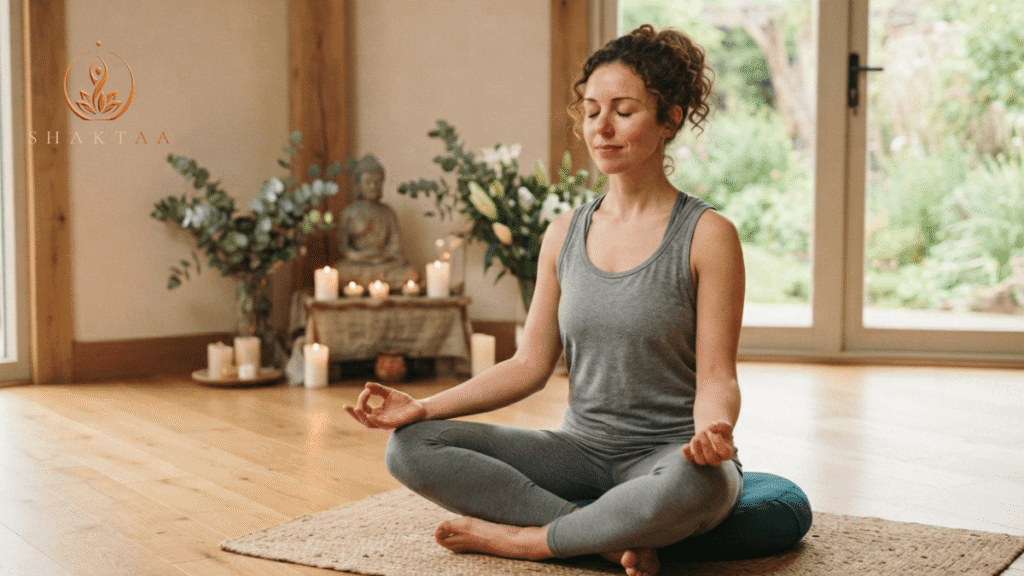
At first glance, both practices may look similar: you sit quietly, close your eyes, and spend time away from the noise of everyday life. But what happens inside that quiet space is different.
What Is Mindfulness Meditation
According to the definition of mindfulness meditation, it refers to becoming conscious of the present moment deliberately. Here, a person focuses on breathing, some sounds, bodily sensations, or even the thoughts in their mind. They watch and go back to it once the mind diverts. The roots of mindfulness meditation lie in Vipassana meditation, which is a Buddhist meditation practice.
Some of the aspects of mindfulness meditation are:
- Deliberate attention to breathing, body, or thoughts
- Returning to attention every time the mind diverts
- Its roots in Vipassana and other Buddhist meditations
- Secular adaptation as MBSR
- Developing awareness that enables observation of thoughts and feelings without automatic reaction
What Is Vedic Meditation
It is a method of meditation based on the use of a mantra derived from the ancient Indian Vedic tradition. It differs from the mindfulness practice in that your mantra helps your mind move inward automatically. There is no need for an attempt to control or stop your thoughts. The mantra eventually becomes very subtle, helping you get into a state of deep rest and inner silence, which is one of the main advantages of Vedic Meditation.
Main characteristics of Vedic Meditation are:
- Personal and effortless mantra instead of observation
- No need for controlling and focusing the mind
- Practiced with closed eyes twice a day
- Derived from ancient Indian Vedic tradition
- Facilitates deep rest and inner silence
Where Do These Practices Come From?
The history matters because the traditions behind these meditation techniques had different ideas about what meditation was meant to accomplish.
Buddhist Roots of Mindfulness
Contemporary mindfulness traces its origins back to various Buddhist techniques, such as Vipassana, which is essentially an observing technique that aims at being aware of experience and its transient nature. Jon Kabat-Zinn incorporated this sort of awareness in his concept of mindfulness into the Mindfulness-Based Stress Reduction program for use in clinical practice in 1979. This way, by stripping the technique of its religious context, mindfulness became possible for use in hospitals, work places, schools, and other settings.
Vedic Roots of Vedic Meditation
The practice of Vedic Meditation is said to come from the Indian tradition of Vedic knowledge. The word “Veda” refers to knowledge, and the tradition has been passed down generation after generation by oral teaching. It was introduced into the Western world via the lineage of Maharishi Mahesh Yogi in association with Transcendental Meditation. Instead of being based mainly on observing, Vedic Meditation practices effortless inner settling with a mantra of one’s own choice, usually from the list of Vedic Meditation mantras.
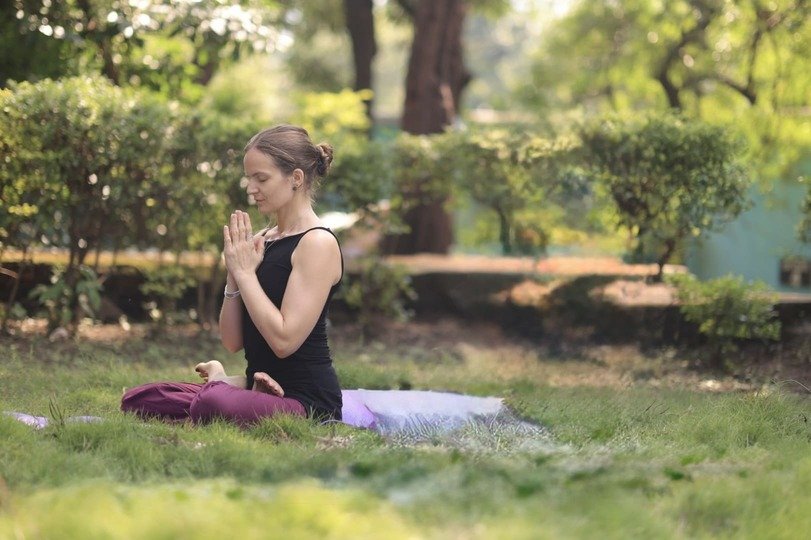
How Meditation May Feel Different for Women
There is another part of the conversation that deserves attention: a woman’s experience of her mind and body isn’t necessarily identical every day.
Meditation and the Menstrual Cycle
Energy, mood, sleep, stress, and concentration levels vary during the menstrual cycle. There will be some days where meditation feels energy-filled and easy to engage in, and then there will be some days where it feels very hard to concentrate.
While not every study conducted about the effects of meditation has taken these hormones into consideration, it is something that a lot of women know about themselves as well. A meditation practice which allows for such differences to be taken into account will then be a very different experience from a concentration-based meditation practice.
When Mindfulness Feels Like Another Task
Being mindful can be very helpful but at times, the practice of repeatedly going back to your focus can be seen as yet another task to perform when you’re already tired from all the other things that happen through the course of the day.
For women who have to manage their professional lives and personal commitments along with other emotions, meditating becomes just another activity that they have to do right.
Why Rest Can Matter as Much as Focus
This is one place where the ease of mantra-based meditation could be a different option. Vedic Meditation does not involve sustained focus, and hence there is no need to be in perfect mental peace before arriving.
You may be arriving exhausted, distracted or even with a lot going on inside your head. This realization has been used at Shaktaa to create Pranaum – an experience of sound and meditation and Vedic Meditation retreat centered around the concept of an ever-changing inner world of a woman.
Is Vedic Meditation the Same as Transcendental Meditation?
It’s a valid concern.
Transcendental Meditation is a trademark name that belongs to an organization within the lineage of Maharishi Mahesh Yogi.
- Vedic Meditation is a more general term used by teachers who are teaching mantra meditation within the tradition of the Vedic texts.
- There are certain parallels in the mechanisms involved:
- Personalized mantras from a Vedic Meditation mantras list
- A non-effortful, non-concentrative technique
- Eyes-closed meditation practice
- Daily routine practice twice a day
However, teachers, organisations, terminology, and delivery can differ.
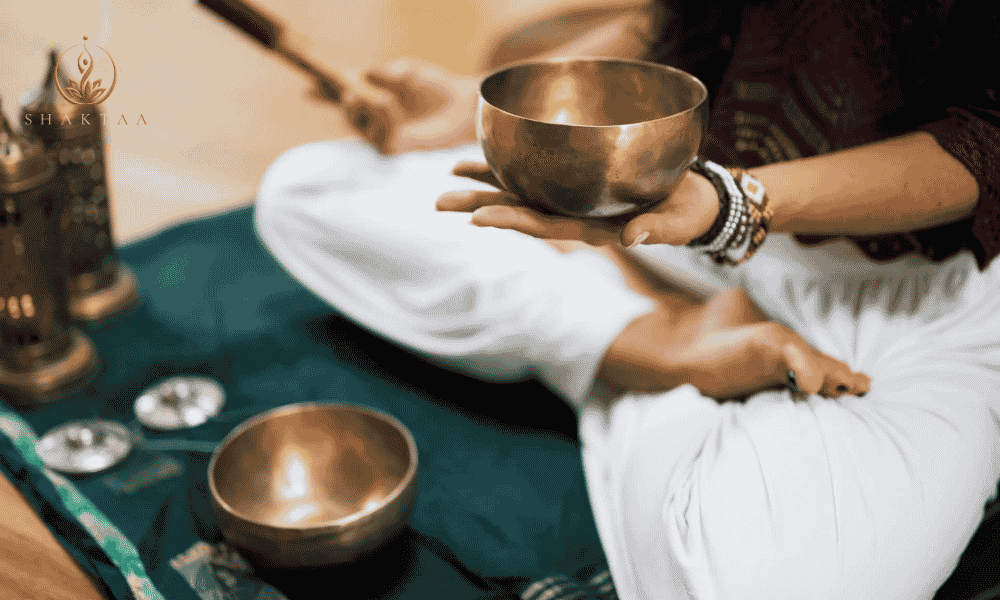
Explore Vedic Meditation with Pranaum
Pranaum is the sound and meditation retreat center of Shaktaa, which combines Himalayan sound healing with Vedic Meditation into a center specifically made for women who wish to find deep relaxation and meditation.
Should anything about this article strike you as familiar, then perhaps you are at a point where you should start looking into a new kind of meditation relationship – one which does not require you to remain calm.
Frequently Asked Questions
Can I Practice Both Mindfulness and Vedic Meditation?
Indeed, there is a possibility to integrate them successfully. One may meditate through mindfulness while using everyday situations, but do not use them both in one session of meditation.
How Long Does It Take to Learn Vedic Meditation?
It is usually learned during several sessions under the guidance of a trained teacher who teaches it either within a retreat on Vedic Meditation or separately.
What Are the Benefits of Vedic Meditation?
The benefits of Vedic Meditation include deep rest, reduced stress, better sleep, and greater emotional balance. Practitioners also describe a felt sense of inner stillness, without needing active concentration.
Is Vedic Meditation Good for Anxiety?
Both practices can help with anxiety, but through different routes — mindfulness through observation, Vedic Meditation through rest and effortless settling. For diagnosed conditions, meditation should complement, not replace, professional care.
Where Can I Find a Vedic Meditation Mantras List?
Personal mantras are typically given individually by a certified teacher based on your background, not chosen from a public list. This personalised approach is part of what makes it effective.
Can Women Practice During Menstruation?
Yes, Vedic Meditation can be practised throughout the cycle. A flexible practice lets you meet your energy and focus where they are each day.